
Framing Standards
Framing Standards -Specifications for Five Levels of Framing.
At PICTURE-IT we follow the below standards when choosing conservation and museum level framing unless otherwise requested by the customer.
However if you choose the standard level (by default). You thereby entrust our qualified staff to sometimes use a mixture of the below set out framing levels. This will give you the client a superior looking finished product at an affordable price.
What we are trying to achieve?
A consistent bench-mark of standards
An informed choice of different levels of framing to suit customers' individual needs
To enable customers to compare quotations on a 'like-for-like' basis. It is essential to demonstrate why a job may be priced above that given by a competitor and why a framer is recommending a particular level of framing
A marketing tool; to show customers there is more to framing than meets the eye
To educate framers and customers.
To assist the Guild when arbitrating in disputes revolving round whether a given specification has been met
The specifications address:
The visual appearance of the frame, now and in the future
The role of the frame in protecting artwork from damage (primarily caused by airborne pollution, acids generated by framing materials, inappropriate framing techniques, UV light, humidity and damp, insects and mould)
How the specifications are communicated
1) Labels: The level to which the piece has been framed is indicated on a label on the back of the frame, which is also signed and dated. There are two types of label:
GCF labels - three levels
General labels - five levels, of which three directly conform with the three on the GCF label. GCF framers can choose to use the general label but only GCFs can use GCF labels. Most businesses use both as not all their framers tend to be qualified and only frames produced by qualified framers, or where production has been overseen by a GCF, can display the GCF label. Also, qualified GCFs may carry out work at the lowest two levels when requested to do so by customers
2) Leaflets: Consumer leaflets, produced by the Guild, inform customers about the five levels, the value of having work framed by GCFs, the Guild Code of Ethics etc.
How the specifications work
The specifications at all levels enable framers to treat 3D objects, fabric, works on canvas etc differently from artwork on paper. Framers must be able to demonstrate that their chosen techniques meet the qualitative requirements of the level to which they are working
It may be necessary to use alternative materials to meet customers' needs and some artwork may require slightly different treatment to that specified. Deviations from the methods explained in the standards are acceptable if framers can demonstrate that their chosen techniques meet the qualitative requirements of the level to which they are working. For example: oil paintings are not generally glazed; some museums have UV filters on their external glass and internal lighting so do not require this in frames; rebates which are insufficiently deep may require hand-made 'build-ups'. Changes such as these are permissible but should be itemised clearly on the label and the customer's receipt/job sheet
The standard of craftsmanship must be high regardless of the level to which the piece is being framed. Frames must always be structurally sound, free from unsightly blemishes and must be safely supported. For example, badly cut and pinned mouldings are unacceptable at any level. The higher specifications use higher quality materials and techniques; higher levels of expertise may be required, but craftsmanship must be of a high standard at all levels
Framers must be careful when assessing manufacturers' product specifications, to ensure that materials comply with the Guild's standards. Manufacturers may sometimes need challenging
The term 'normal conditions' as used in the Guild's standards means out of direct sunlight, within the temperature range 10'C - 25'C and relative humidity between 40% and 60%
Nothing irreversible should be done at any level to the artwork (e.g. trimming it) with out prior permission of the customer.
The Guild's specifications and standards may be amended from time to time to incorporate changes in materials, technology and knowledge
The folowing framing levels are generally available.
Minimum****
Budget *
Commended
Conservation *
Museum
*Picture-it however prefers to deal with the budget, commended and conservation levels as set out below.
***If choosing to blockmount or laminate a picture your framing level will drop to
the minimum level.
Every effort will be made to frame to the G.C.F. framing levels however:
When you choose your framing from this website certain defaults have been put in place [to maintain your choosen framing level].These defaults will dissenable you to choose certain framing materials and/or techniques. However this default list is by no means complete. Please choose carefully and if needed refer back to the framing level specifications. If you are still unsure please contact us.
Five Levels of Framing - Budget Level(second lowest of the five specifications)
Objective To provide a visually acceptable frame at a budget price. No pretence is made to protect the artwork or its long-term visual appearance.
Suitable for Replaceable artwork of no commercial or sentimental value.
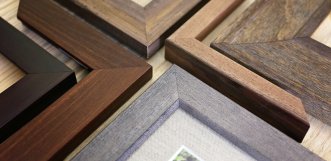
Moulding No significant blemishes.
Mitres Accurately cut, glued and pinned tightly. Corners to be touched-up so no unfinished moulding is visible.
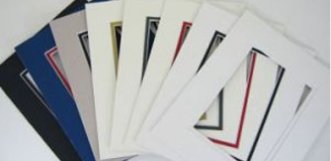
Windowmount A windowmount or slip may be used to visually enhance the artwork. The corners of the windowmount must be cleanly cut; the mountboard must be free from blemishes; standard-quality mountboard is acceptable,as is Conservation or Cotton Museum; there must be clearance of 1mm inside the rebate. Slip moulding must be accurately cut and joined.
Undermount A barrier layer between the artwork and the back board is not necessary.
Attaching artwork It is acceptable for artwork to be 'slotted' into the frame without fixing or to be stuck down.Artwork must be properly centred and free from blemish caused by framing.
Glazing Float glass or better, free from obvious blemishes. Must be cut to allow sufficient clearance inside the rebate of the frame. It is acceptable for the glazing to touch the artwork.
Back board Pulpboard and cardboard are acceptable.
Securing the frame Flexible tabs are acceptable but framers' points or tacks are preferred.
Hanging Hanging fittings must be sufficiently strong to support the frame.
Finish Dust and dirt should be removed and the glass should be cleaned and polished without smears. It is acceptable to seal the back with self-adhesive tape.
Notes on framing fabric, canvas and objects
Fabric should be squared if necessary. It is acceptable for fabric to be stuck-down or stapled at this level.Some attempt should be made to conceal unsightly problems, such as knots or travellings stitches .
Canvas must not sag/bow or tear/distort. Stretchers must be square.
Objects can be held in place with adhesive.
(second highest specifications)
Objective To visually enhance artwork and offer a high level of protection from physical and mechanical damage, airborne pollution and acids generated by framing materials, for approximately 20 years under normal conditions. Ideally frames should be examined by the framer or conservator every five years, and there should be a label advising this on the back of the frame.
Suitable for Collectable artwork that is to be kept for future generations, eg original paintings and limited edition prints of moderate to high value, as well as items of sentimental value.
Moulding No significant blemishes. Care must be taken to match the pieces. The moulding should have a rebate that is sufficiently deep to comfortably hold the sandwich. If artwork is likely to touch the moulding, this should be sealed with strips of Conservation or Cotton Museum-quality mountboard or a conservation foil and paper tape. Note: Good original frames should be retained wherever possible as these can enhance the value of the artwork.
Mitres Accurately cut, glued and pinned tightly. Corners to be touched up so no unfinished moulding is visible.
Windowmount A windowmount or slip should normally be used to visually enhance the artwork and distance it from the glazing. If close framing is required, there should be a spacer between the artwork and the glazing and this should be made from Conservation or Cotton Museum quality mountboard or plastic. The corners of the windowmount must be cleanly cut; the mountboard must be free from blemishes and there must be clearance of 1-3mm inside the rebate (clearance varies depending on frame size). Conservation-quality mountboard or Cotton Museum mountboard at least 1200 micron thick and conforming to the Guild specifications should be used. Slip moulding must be accurately cut and should not touch the artwork. Multiple mounts or deep spacers must be used to frame works with migrant or delicate pigments, such as pastel drawings, or artwork with a cockled surface. Using a fixative on pigments is not acceptable. The windowmount should, where possible, project at least 5mm over the edge of the artwork, thus holding it firmly in place. Any pencil marks on the underside of the windowmount should be rubbed out as they may come into contact with the artwork. For photographs unbuffered mountboard should be used (This is only available in Cotton Museum quality.) Note: Sometimes it is advantageous to retain an original windowmount (possibly gilded or decorated). In this case preferably a 1200 micron, but at least 500 micron, Conservation or Cotton Museum quality mountboard barrier should be cut to fit the underside of the windowmount to within a few millimetres of the window or a few millimetres beyond the opening.
Undermount There should be a barrier layer between the artwork and the back board; this should be made from Conservation or Cotton Museum quality mountboard at least 1200 micron thick. For photographs unbuffered mountboard should be used. The undermount should be the same size as the windowmount and hinged to it along the the longer side using a gummed conservation tape with a water-soluble adhesive. Note: Artwork stuck down onto acid board should be referred to a conservator for possible removal of the board.
Attaching artwork The artwork should be hinged to the undermount with T-hinges on the top edge, or a similarly reversible process should be used, such as corner pockets made from conservation or museum quality material. It is not acceptable to make hinges from self-adhesive tape; they should be made from conservation or museum quality gummed tape with water-soluble adhesive. Hinges should be weaker than, or the same paper weight as, the artwork- never heavier. Hinges should be attached to the back of the artwork, not the front, and should overlap onto the artwork the minimum amount necessary to give proper support. Note: for the majority of art on paper 5mm should be sufficient. Artwork should be hinged to the undermount, not the back of the windowmount. Artwork must be properly centred and free from blemishes caused by framing.
Glazing Float glass or better, free from obvious blemishes and of appropriate thickness for the frame size. Glass with high UV protection should be considered. Must be cut to allow sufficient clearance inside the rebate of the frame. It is not acceptable for the glazing to touch the artwork. For large items and for items to be hung in areas accessible to the public, safety should be considered, eg laminated or acrylic sheet may be advisable. Final cleaning fluid should contain only deionized water and perhaps industrial methylated spirit.
Back board Backboard needs to be strong, rigid and flat, and to protect the artwork from damage. Must be cut to allow sufficient clearance inside the rebate.
Securing the frame The frame must be secured firmly with framers' points, tacks or similar. Flexible tabs are not acceptable.
Hanging Hanging fittings must be sufficiently strong to support the frame. Rivetted D-rings are only acceptable for lightweight works if the customer has chosen a thin moulding, in which case an additional 500 micron barrier should be used.
Finish Dust and dirt should be removed and the glass should be cleaned and polished without smears. It is not acceptable to seal the back with self-adhesive tape; gummed-paper tape must be used and this must be carefully applied. Pads or buffers should be applied to the two lower corners. A label giving the date and the framer's name should be adhered to the back. Note: any existing labels should be preserved as this can provide provenance for the art.
Note: For art on paper stuck down to acidic board or requiring cleaning or restoration, a list of qualified paper conservators may be obtained, click here.
For oil paintings requiring cleaning or restoration a list of qualified conservators may be obtained, please click here.
Notes on framing fabric, canvas and objects - at Conservation level
Fabric should be squared if necessary. It is not acceptable for fabric to be stuck-down or stapled or to use any other process which may damage the fabric. It should be laced over a conservation-quality support or similarly reversible methods should be used. Unsightly problems, such as knots or travelling stitches, must be concealed where possible. If fabric touches the stretcher bars, these must be sealed with cotton fabric or similar.
Canvas must not sag/bow or tear/distort. Stretchers must be square and sufficiently strong to stand the test of time. Corner wedges must be used and must be held in place with thread. The rebate must be around 3 to 6mm larger than the stretcher bars.
Objects must not be held in place with adhesive or silicon sealer. Loops of thread must be used, or objects must be held in place between conservation-quality boards.
Five Levels of Framing - Museum Level
(highest specicification)
Objective To visually enhance artwork and offer the ultimate level of protection from physical and mechanical damage, airborne pollution and acids generated by framing materials for up to 35 years in normal conditions. Ideally frames should be examined by the framer or conservator every five years, and there should be a label advising this on the back of the frame.
Suitable for Museum-quality works and artwork that is to be preserved for the future, including high value items and artwork of potential or historical value. Processes must be fully reversible.
Moulding No significant blemishes. Care must be taken to match the pieces. The moulding should have a rebate that is sufficiently deep to comfortably hold the sandwich. If artwork is likely to touch the moulding, this should be sealed with strips of Cotton Museum-quality mountboard or a conservation foil and paper tape.
Note: Good original frames should be retained wherever possible as these can enhance the value of the artwork.
Mitres Accurately cut, glued and pinned tightly. Corners to be touched-up so no unfinished moulding is visible.
Windowmount A windowmount or slip should normally be used to visually enhance the artwork and distance it from the glazing. If close framing is required, there should be a spacer between the artwork and the glazing and this should be made from Cotton Museum mountboard. The corners of the windowmount must be cleanly cut; the mountboard must be free from blemishes and there must be clearance of 1- 3mm inside the rebate (clearance varies depending on frame size). Only Cotton Museum mountboard at least 1200 microns thick and conforming to the Guild standard should be used. Slip moulding must be accurately cut and should not touch the artwork. Multiple mounts or deep spacers must be used to frame works with migrant or delicate pigments, such as pastel drawings, or artwork with a cockled surface. Using a fixative on pigments is not acceptable. The windowmount should, where possible, project at least 5mm over the edge of the artwork, thus holding it firmly in place. Any pencil marks on the underside of the windowmount should be rubbed out as they may come into contact with the artwork. For photographs unbuffered cotton museum mountboard should be used.
Note: Sometimes it is advantageous to retain an original windowmount (possibly gilded or decorated). In this case preferably a 1200 micron, but at least 500 micron, Cotton Museum quality mountboard barrier should but cut to fit the underside of the windowmount to within a few millimetres of the window or a few millimetres beyond the opening
Undermount There should be a barrier layer between the artwork and the back board; this should be made from Cotton Museum board at least 1200 microns thick. For photographs unbuffered cotton museum mountboard should be used. The undermount should be the same size as the windowmount and hinged to it along the longer side using museum-quality paper or fabric with either starch paste or SCMC (sodium carboxy methyl cellulose). Note: Artwork stuck down onto acid board should be referred to a conservator for possible removal of the board.
Attaching artwork The artwork should be hinged to the undermount with T-hinges on the top edge, or a similarly reversible process should be used, such as corner pockets made from naturally lignin-free museum quality paper. It is not acceptable to make hinges from self-adhesive tape; hinges should be made from naturally lignin-free, pH neutral paper and the adhesive made from starch paste or SCMC (sodium carboxy methyl cellulose). Hinges should be torn, not cut. Hinges should be weaker than, or the same paper weight as, the artwork - never heavier. Hinges should be attached to the back of the artwork, not the front, and should overlap onto the artwork the minimum amount necessary to give proper support Note: for the majority of art on paper 5mm should be sufficient. Artwork should be hinged to the undermount, not the back of the windowmount. Artwork must be properly centred and free from blemish caused by framing.
Glazing Glazing must be free from obvious blemishes and of appropriate thickness for the frame size. Preferably museum-quality glazing should be used, ie glazing that blocks more than 90 per cent of all UV rays unless work is to hang where there are already controlled UV levels (eg some museums). Must be cut to allow sufficient clearance inside the rebate of the frame. It is not acceptable for the glazing to touch the artwork. For large items and for items to be hung in areas accessible to the public, safety should be considered, eg laminated or acrylic sheet may be advisable. Final cleaning fluid should contain only deionized water and perhaps industrial methylated spirit.
Back board Back board needs to be strong, rigid and flat, eg hardboard or MDF with a 500 micron barrier board or Melinex sheet or similar, in addition to the undermount, pH neutral back board or foam board. Must be cut to allow sufficient clearance inside the rebate.
Securing the frame It is recommended that glazing, windowmount, artwork and undermount are sealed together using a gummed conservation-quality paper tape with water-soluble adhesive, before being fitted into the frame to keep out dust, insects etc. The frame must be secured with framers' points, tacks or similar. Flexible tabs are not acceptable.
Hanging Hanging fittings must be sufficiently strong to support the frame. Rivetted D-rings are only acceptable for lightweight works if the customer has chosen a thin moulding, in which case an additional undermount should be used.
Finish Dust and dirt should be removed and the glass should be cleaned and polished without smears. It is not acceptable to seal the back with self-adhesive tape; gummed-paper tape must be used and this must be carefully applied. Pads or buffers should be applied to the two lower corners. A label giving the date and the framer's name should be adhered to the back. Note: any existing labels should be preserved as this can provide provenance for the art.
Note: For art on paper stuck down to acidic board or requiring cleaning or restoration, a list of qualified paper conservators may be obtained, click here.
For oil paintings requiring cleaning or restoration a list of qualified conservators may be obtained, please click here.
Notes on framing fabric, canvas and objects - at Museum level
Fabric should be squared if necessary. It is not acceptable for fabric to be stuck-down or stapled or to use any other process which may damage the fabric. It should either be hand-sewn onto a backing cloth with the appropriate thread, or should be laced over a museum-quality support or similarly reversible methods should be used. Unsightly problems, such as knots or travelling stitches, must be concealed where possible. If fabric touches the stretcher bars, these must be sealed.
Canvas must not sag/bow or tear/distort. Stretchers must be square and sufficiently strong to stand the test of time. Corner wedges must be used and must be held in place with thread. The rebate must be around 3 to 6mm larger than the stretcher bars.
Objects must not be held in place with adhesive or silicon sealer. Loops of thread must be used, or objects must be held in place between Cotton Museum mountboards or with special chemically-inert supports.